Now Reading: World Cup 2026 Kicks Off: Africa Arrives in Record Numbers and With Something to Prove
-
01
World Cup 2026 Kicks Off: Africa Arrives in Record Numbers and With Something to Prove
World Cup 2026 Kicks Off: Africa Arrives in Record Numbers and With Something to Prove

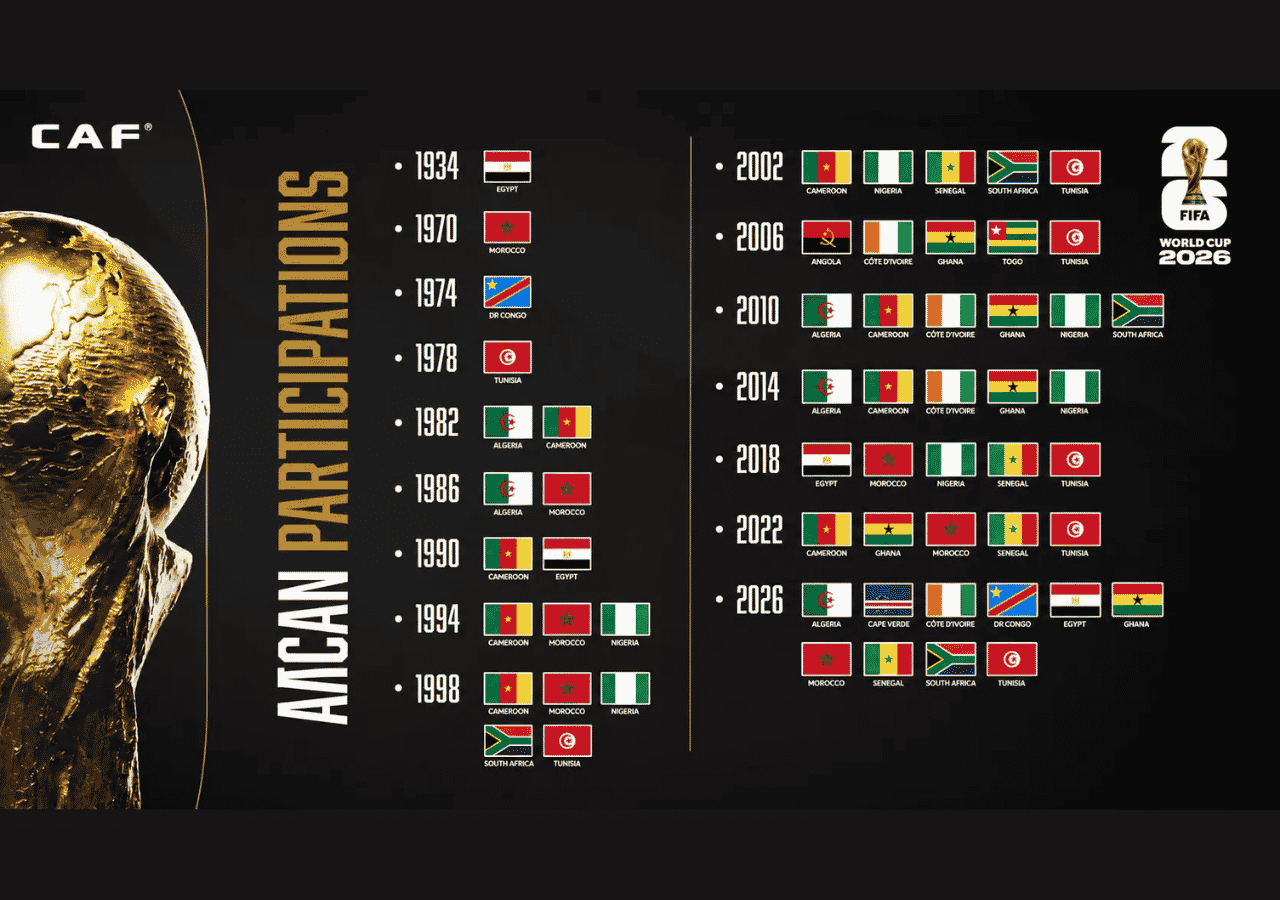
Ten African teams. A debutant island nation. A returning giant absent for half a century. And the whole show opens with Bafana Bafana under the lights of the Azteca. The 2026 World Cup begins tomorrow, and Africa has never walked into football’s biggest room with this much swagger.
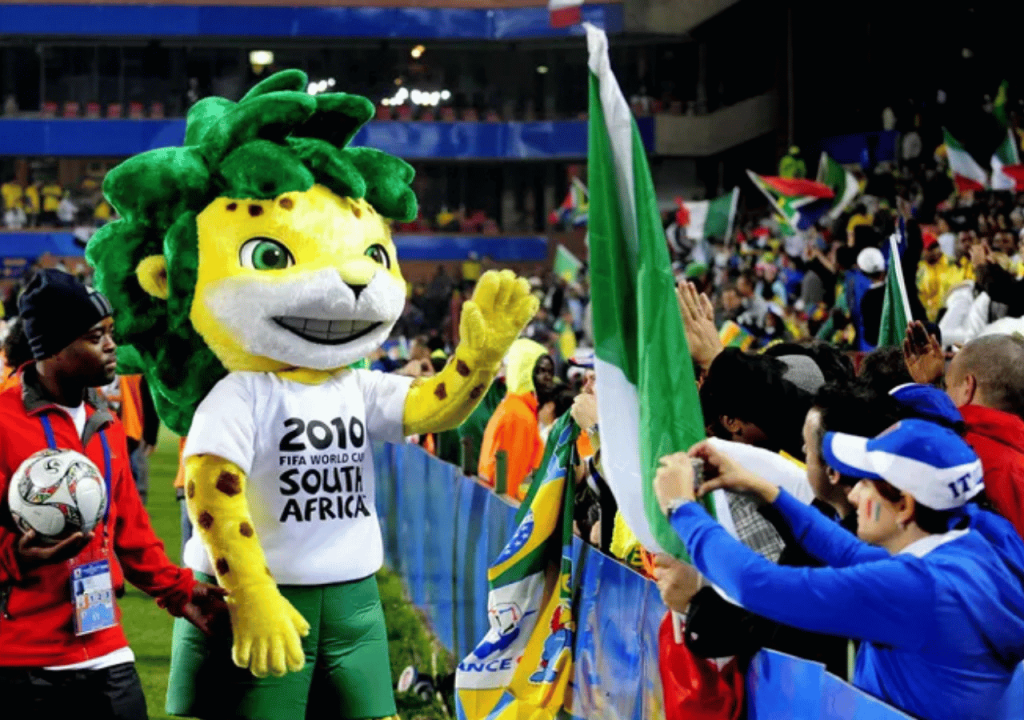
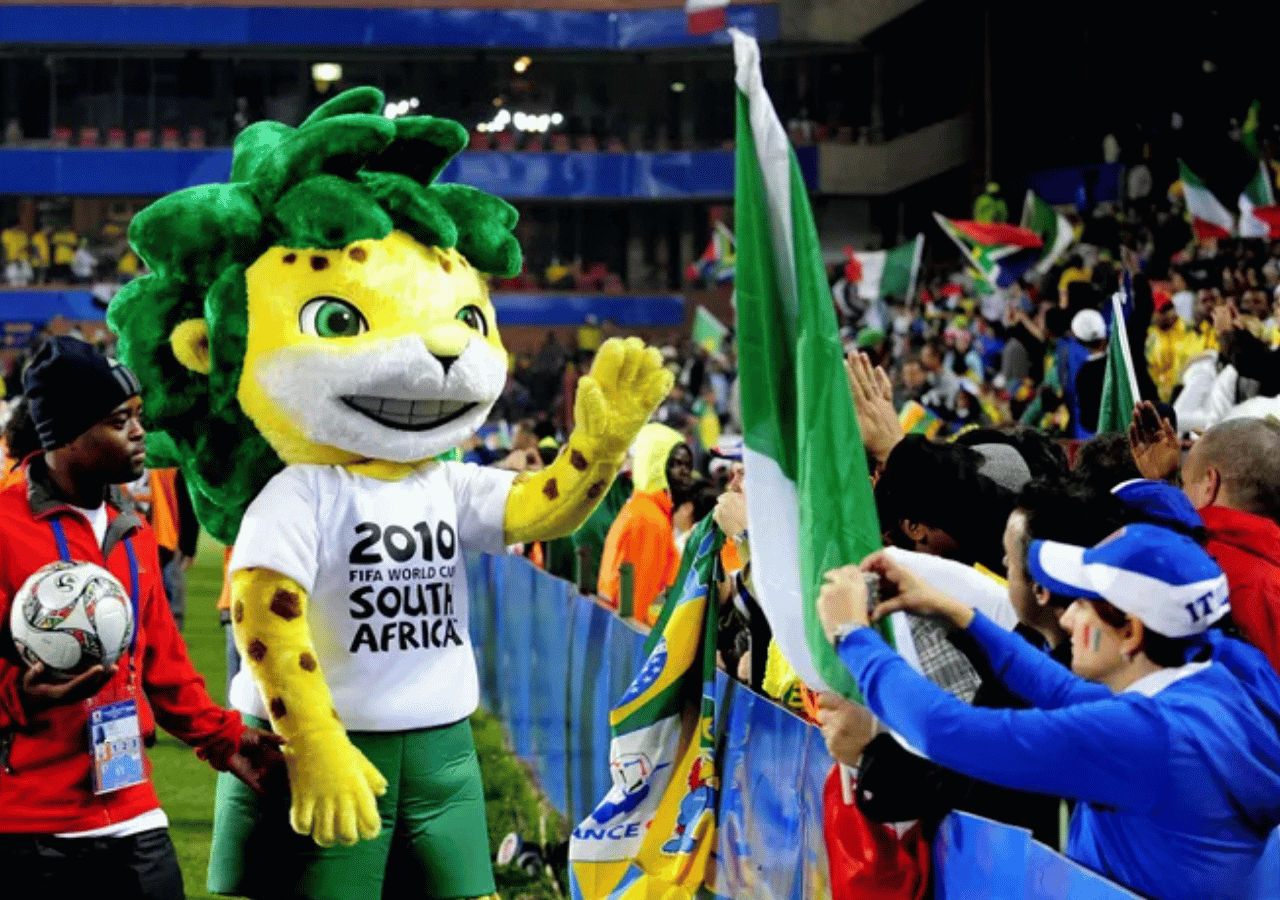
On Thursday afternoon in Mexico City, inside the cathedral of football that is the Estadio Azteca, the biggest World Cup in history begins and an African team will be standing at centre stage. South Africa face co-hosts Mexico in the opening match of the 2026 FIFA World Cup, a fixture dripping with symbolism: it is a repeat of the 2010 opener, when Bafana Bafana welcomed the world to African soil and Siphiwe Tshabalala’s thunderbolt became a continental memory. Sixteen years later, South Africa are back at the tournament for the first time since that home World Cup and this time, they bring nine teammates from the neighbourhood.
Ten teams. Read that again.
For the first time in history, Africa has double-digit representation at a World Cup. Algeria, Cape Verde, Côte d’Ivoire, DR Congo, Egypt, Ghana, Morocco, Senegal, South Africa and Tunisia will carry the continent’s flag at the expanded 48-team tournament spread across the United States, Canada and Mexico, 104 matches, twelve groups, a brand-new Round of 32, and a final set for MetLife Stadium in New York/New Jersey.
The journey to this moment spans nearly a century. Egypt became the first African nation to appear at a World Cup back in 1934. For decades afterwards, the continent was rationed to a seat or two at the table. Now it arrives with a full delegation, and the receipts to justify it. Four years ago in Qatar, Morocco’s Atlas Lions toppled Belgium, Spain and Portugal on their way to becoming the first African side ever to reach a World Cup semi-final. That run didn’t just make history; it changed the global conversation. The question in 2026 is no longer whether African teams can compete with the world’s best. It’s how far they can go.
The storylines rewriting Africa’s image
Cape Verde, the island miracle. A nation of just over half a million people will make its World Cup debut, one of the great underdog stories of the tournament, and proof that the expanded format is doing exactly what it promised: opening football’s biggest stage to new voices.
DR Congo, back after 52 years. The Leopards return to the finals for the first time since 1974, when they competed as Zaire. Their qualification came at the expense of Nigeria, the tournament’s most painful African absence, with the Super Eagles and stars like Victor Osimhen and Ademola Lookman watching from home after a qualifying campaign that ended in heartbreak.
Morocco, the standard-bearers. Fresh from hosting a feverish Africa Cup of Nations in January, captain Achraf Hakimi leads a squad that no longer surprises anyone, it intimidates. Their group-stage showdown with Brazil is already being billed as one of the matches of the tournament.
Senegal, the steel. Sadio Mané and the Lions of Teranga arrive with depth, belief and a blockbuster date with France that carries decades of history. In January, it was Mané’s late winner that ended Mohamed Salah’s AFCON dream in the semi-final, a reminder that Africa’s rivalries now produce drama worthy of any stage.
Egypt and the beautiful contradiction. Seven-time African champions, home to one of the greatest players of his generation, and still chasing their first-ever World Cup victory. With Salah supported by Omar Marmoush, the Pharaohs have arguably their best chance in generations to bury that statistic.
Ghana’s next man up. With Mohammed Kudus ruled out through injury, the Black Stars turn to Antoine Semenyo, whose explosive form in English football makes him one of the tournament’s most intriguing breakout candidates.
Add Algeria’s pedigree, Tunisia’s experience, Côte d’Ivoire’s golden generation 2.0, and the continent’s tactical evolution is plain to see. As analysts have noted ahead of kick-off, Africa’s leading sides are no longer built around isolated superstars; they are structured, defensively disciplined, lethal in transition. The romance remains. The naivety is gone.
Why this matters beyond the pitch
Every World Cup is a mirror, and for too long the reflection of African football was filtered through clichés, plucky, chaotic, charming, eliminated. Morocco shattered that frame in Qatar. Now ten teams arrive in North America carrying a different narrative: a continent that produces Ballon d’Or-calibre talent, hosts world-class tournaments, fills the rosters of Europe’s biggest clubs and expects, rather than hopes, to reach the knockout rounds. With the new format sending 32 teams through the group stage, the realistic ambition is no longer one African survivor, but a wave of them.
It starts Thursday at the Azteca. Mexico will have the crowd. South Africa will have a continent, 1.4 billion strong, at their back.
The world is watching. This time, Africa isn’t just invited. Africa is expected.
© 2026 Tropics Media Group. Original content distributed by Tropics PressRoom. All Rights Reserved.


Stay Informed With the Latest & Most Important News




Advertisement